

Home décor style guide: find the look that suits you
The easiest way to find your home décor style is to notice what you already love, then give it a name. Gather a dozen pictures of rooms you like, look for the colours, materials and shapes they share, and match them to one or two of the styles below. Most homes mix two styles, so treat these as starting points rather than rules.
How do I work out my interior style?
- Collect images. Save rooms you like from magazines, social media or friends’ homes. Do not overthink it.
- Look for patterns. Are the rooms light or dark? Busy or sparse? Natural wood or painted surfaces? Curves or straight lines?
- Check how you live. Pets, children, working from home and the amount of natural light all affect what will work day to day.
- Start with one room. Try your chosen look with small, easy-to-change pieces such as cushions, prints and lamps before committing to paint or furniture.
Popular home décor styles at a glance
| Style | Colours | Materials | Key pieces |
|---|---|---|---|
| Japandi | Warm neutrals, soft black | Light wood, linen, ceramic | Low furniture, ink art, simple vases |
| Scandi | White, grey, pale wood | Wool, birch, cotton | Cosy throws, simple lamps |
| Black and white | Monochrome with one accent | Metal, glass, painted wood | Graphic prints, black frames |
| Mediterranean | Terracotta, blue, sand | Clay, rattan, plaster | Patterned textiles, pots and greenery |
| Industrial | Charcoal, rust, brown | Metal, brick, reclaimed wood | Exposed bulbs, leather, bold art |
| Biophilic | Greens and earth tones | Plants, wood, stone | Plants, botanical prints, natural textures |
| French country | Cream, soft blue, faded floral | Painted wood, linen | Vintage-style mirrors, florals |
| Old money | Deep green, navy, burgundy | Dark wood, brass, velvet | Traditional art, layered rugs |
Japandi and zen rooms
Japandi blends Japanese calm with Scandinavian comfort: uncluttered surfaces, natural materials and a muted palette. Zen-style rooms take the same idea further, with even fewer objects and lots of empty space. Choose one or two meaningful pieces of art, such as our enso circle and cherry blossom ink prints, and add texture with vases and throws.
Scandi style
Scandi rooms are light, practical and cosy. Keep walls pale, add warmth with wool and soft lighting, and avoid fussy ornaments. Our table lamps and cushion covers are an easy way to bring in the look.
Black and white décor
Monochrome is timeless and striking. To stop it feeling cold, mix textures (matt, gloss, wood, fabric) and add one accent colour or a lot of greenery. Black frames around graphic prints keep everything crisp; browse our picture frames and prints and posters.
Mediterranean style
Think sun-warmed colours, textured walls and relaxed living. Terracotta pots, woven textures and blue-and-white patterns all help. Our indoor pots and planters are a good starting point.
Industrial style
Industrial interiors borrow from warehouses and workshops: metal, exposed brick, reclaimed wood and dark tones. Soften the edges with rugs and warm lighting. See our rugs and floor lamps.
Biophilic design
Biophilic design brings nature indoors through plants, natural materials, daylight and botanical imagery. If real plants struggle in your home, quality artificial plants or a living-wall-style frame from Botanical Boys give a similar effect.
French country and old money styles
Both styles feel collected over time rather than bought in one go. French country is lighter and softer, with painted furniture, linen and florals. Old money is richer and darker, with traditional art, dark wood, brass and deep colours. An ornate wall mirror suits either.
Modern, contemporary and farmhouse styles
Modern and contemporary rooms favour clean lines, a few bold pieces and plenty of space. Modern farmhouse combines that simplicity with rustic wood, natural textiles and vintage touches. Preppy interiors add cheerful colour, stripes and checks. Whatever the look, wall art is the quickest way to pull a room together; explore our wall art and About Wall Art collections.
How to decorate by colour scheme
- Neutral schemes rely on texture. Layer wood, linen, wool and ceramics.
- Monochrome schemes need contrast in finish and a single accent colour.
- Bold schemes work best with a 60-30-10 balance: one main colour, one supporting colour and a small amount of accent.
- Masculine or moody living rooms often use deep greens, navy, charcoal and leather tones with warm lighting.
For candles, scents and finishing touches, see candles and home fragrance, or browse everything in home and décor.
Home décor style FAQs
Can I mix two décor styles?
Yes, and most homes do. Keep one shared thread, such as a colour palette or a material, so the room feels intentional.
What is the difference between Japandi and Scandi?
Both are calm and natural. Japandi tends to be lower, darker and more minimal, while Scandi is lighter, brighter and cosier.
What is the cheapest way to change a room’s style?
Change the small things first: cushions, throws, lamps, prints and plants. They make a big difference and are easy to swap.
How do I make a rented home feel like my style?
Focus on movable pieces: rugs, lamps, freestanding frames, mirrors and plants. For wall art, check your tenancy agreement before drilling and consider leaning frames on shelves.
Related guides: how to style and hang wall art and cherry blossom art: Japanese symbolism explained.
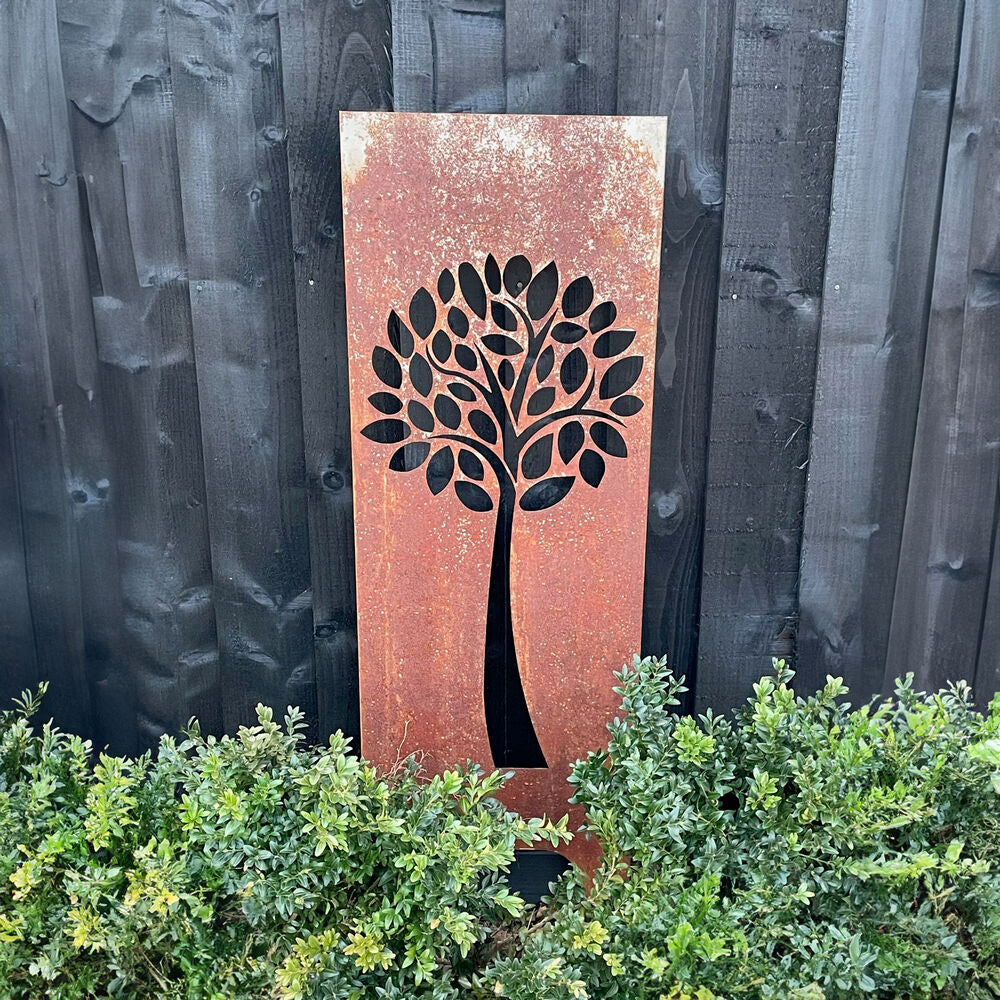
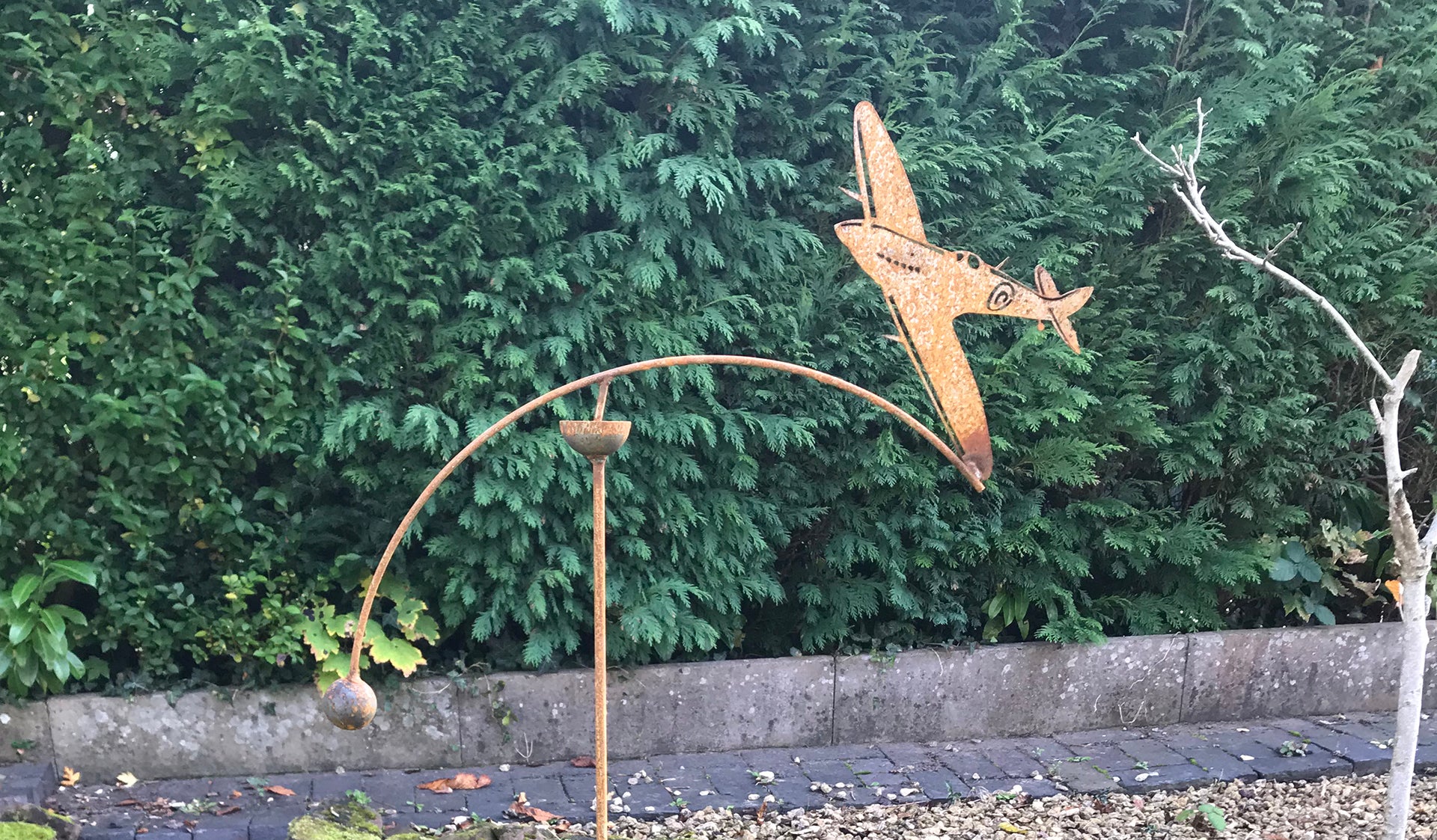
Fancy something unique?
Have a look at our British Made 🇬🇧 Wind Rockers and Decorative Garden Screens.